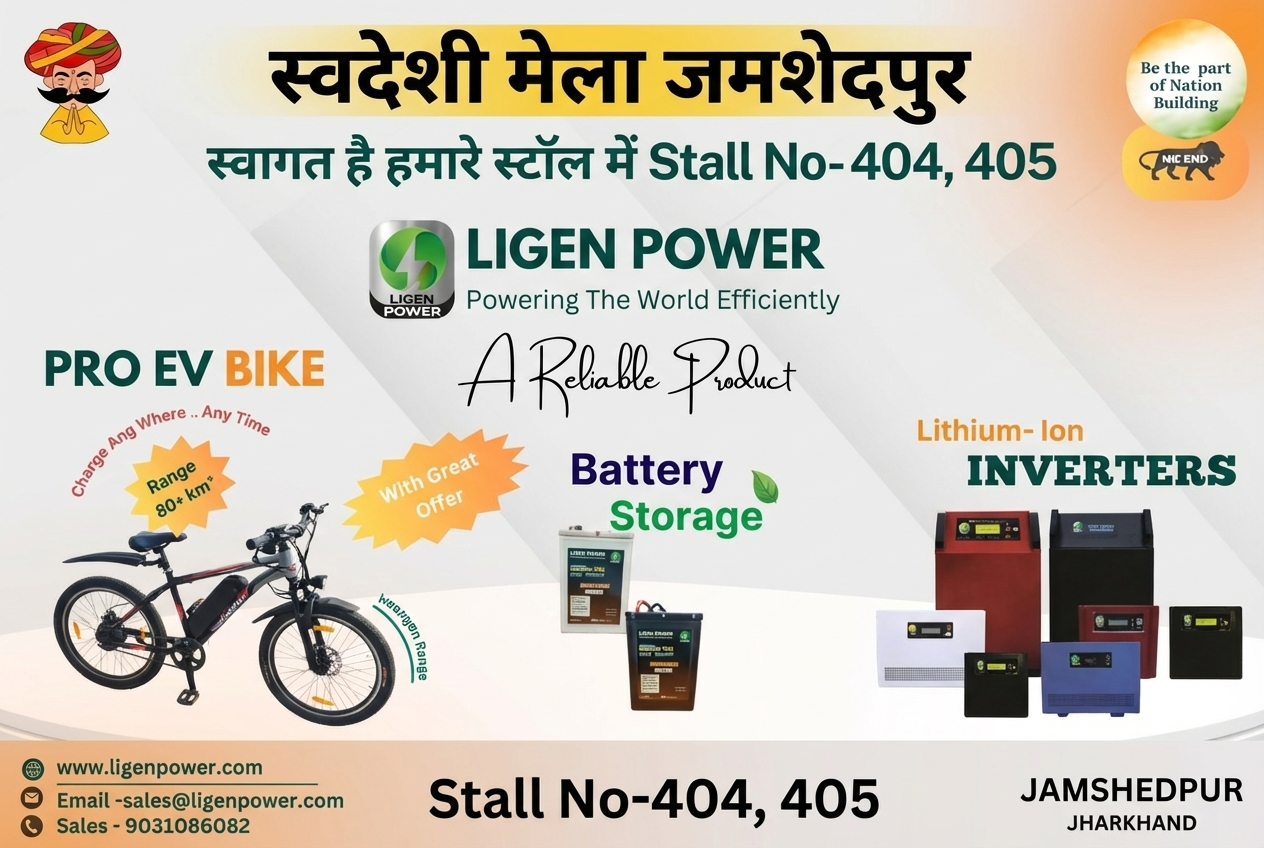
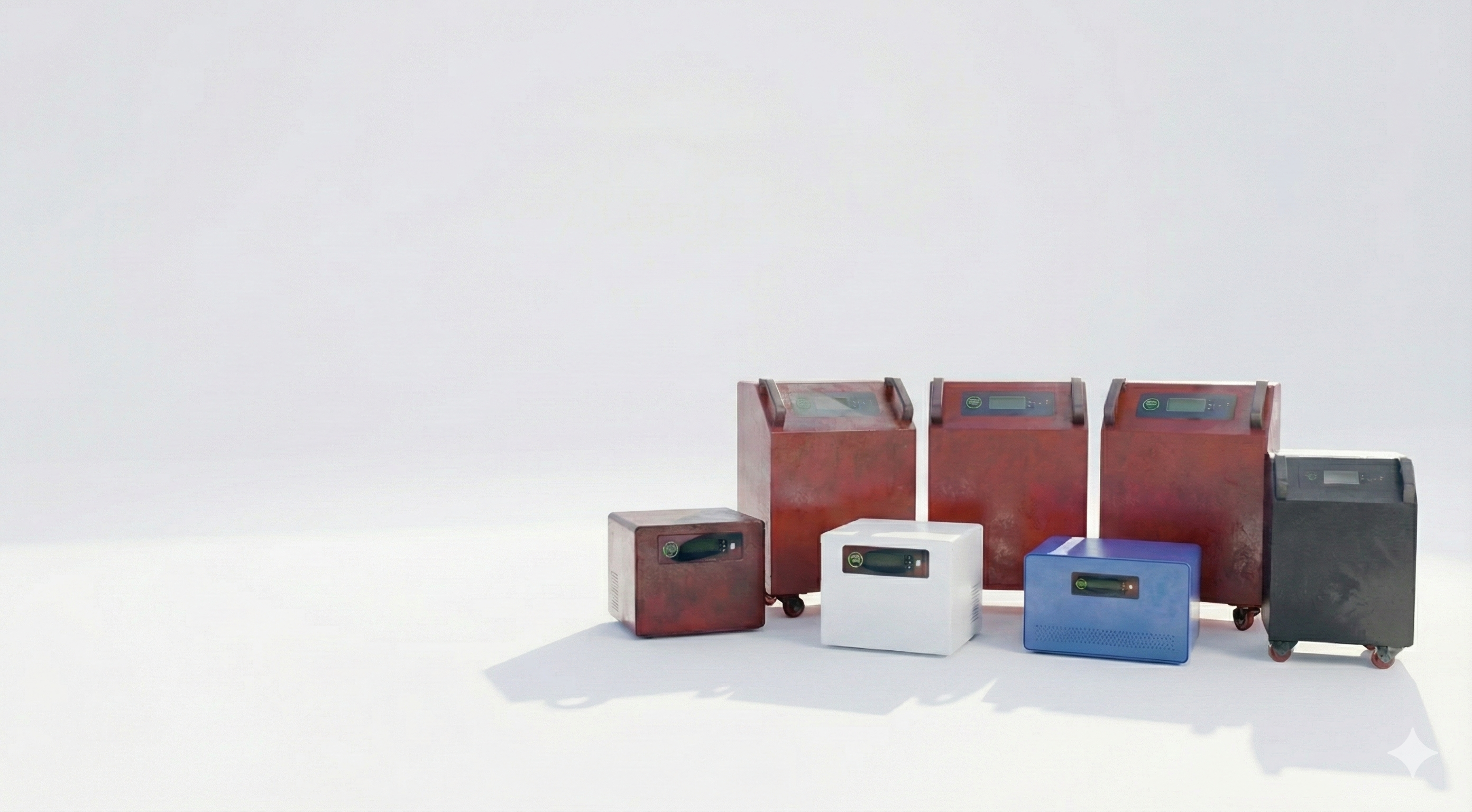
Using inverter batteries to maintain power during outages is essential, but safety is paramount. Follow these dos and don'ts to ensure a secure setup.
✓
Do's
Do choose the right inverter:
Selecting the right inverter battery is crucial. Consider factors like longer lifecycle, light weight, faster charging environment friendly and maintenance free requirements, before making a purchase.
Do install the inverter in a well-ventilated area:
Avoid placing the inverter in closed or confined spaces.
Do ensure proper ventilation:
Avoid covering or obstructing the battery/inverter with objects that may restrict airflow.
Do use proper connections:
Ensure that connectors to maintain a secure and reliable connection. Loose or damaged connections can lead to power fluctuations, reduced efficiency, and potential safety hazards.
Handle with Care:
Carefully handle your lithium battery inverter. The sensitive components inside can be harmed by needless shaking or hard handling. Do it gently!
✗
Don'ts
Don't overload the inverter:
Each inverter battery has a specific capacity. Avoid overloading it by connecting too many appliances or devices. Overloading can lead to excessive heat generation, reduced battery life, and even safety hazards. Be mindful of the power requirements of the devices you connect to the inverter.
Don't ignore warning signs:
If you notice any warning signs such as unusual odors, excessive heat, or unusual noises coming from the inverter, take immediate action.
Don't place flammable objects near the inverter:
Keep flammable objects like paper, cloth, or chemicals away from the inverter.
Fire Safety 101:
Avoid covering your inverter with anything restricting the airflow. Make sure it has enough ventilation. Keep anything combustible far away from it.
Don't attempt DIY ("Do it yourself") repairs:
In case of any issues or damage to the battery, avoid attempting DIY repairs unless you have the necessary knowledge and expertise. Mishandling the battery or attempting repairs without proper guidance can be dangerous. Contact a qualified professional for assistance and repairs.
Choosing the right battery, proper ventilation, regular inspections, and cleanliness are key. On the flip side, avoid overloading, extreme temperatures, mixing batteries, and ignoring warning signs.